Barnes Storage in commercial moves

Barnes Storage provides commercial moves in the broad sense of organised business relocation, helping companies move furniture, equipment, stock and working materials with a clear plan. The focus is on practical removal work rather than disruption: getting items out of one premises, moved safely and placed where they are needed at the other end. For businesses planning a change of address, a reconfiguration or a phased office move, the service is built around sensible handling and orderly progress.
Commercial relocation often involves more than lifting boxes. Desks, chairs, filing systems, meeting furniture and specialist items all need different treatment, especially when access is tight or the move has to happen around opening hours. Our approach keeps the work structured, with attention to packing, carrying, loading and unloading so the move feels controlled. If you need a business move arranged in the area, use the contact page to request a quotation.
In practice, a commercial move usually starts with understanding what needs to travel, what can be dismantled, and what should be handled separately. That may include office furniture, archive material, retail fixtures, stock, packaged goods or household-style items from a workspace. The aim is to reduce avoidable handling and keep each item in the right sequence. When you are ready to compare the scope of work, contact us for a quotation.
Workspaces, stock and equipment moved with care
Commercial moves need more than a vehicle and a pair of hands. A good plan considers access routes, the number of floors, door widths, lifts, loading points and the order in which items should leave the premises. By thinking through those details first, the move is less likely to stall when the team reaches a narrow corridor or a busy entrance. That matters whether you are leaving a small office, a shared workspace or a larger commercial unit.
We can help with the physical movement of everyday business contents, from reception furniture to storage units and boxed files. Where suitable, items may be wrapped, grouped or disassembled before transport so they travel in a safer and more manageable way. This is especially useful for items with awkward shapes or mixed materials, because careful preparation can prevent unnecessary damage during loading and unloading. Planning the sequence properly is often as valuable as the lifting itself.
Typical commercial move tasks can include:
- moving office desks, chairs and storage pieces
- carrying boxed records, documents and small equipment
- transferring retail fixtures or showroom furniture
- handling packable stock, supplies and non-perishable goods
- loading and unloading at premises with restricted access
Office relocation services for changing workplaces

Office relocation services are a sensible choice when a workplace needs to move without losing order in the process. The practical work can include disassembling selected furniture, shifting items by department or room, and putting everything down in the right area at the new address. That helps reduce the time spent searching for items after arrival and supports a steadier restart once the move is complete.
Office moves often involve repeated items as well as a few awkward pieces: printers, filing cabinets, meeting tables, monitor stands, chairs and boxed supplies. Each type benefits from a slightly different method, so the service needs enough flexibility to handle mixed loads. Some businesses prefer a single move date; others arrange a staged relocation so work can continue while certain areas are moved first. The right approach depends on the layout and the volume involved.
When planning a workplace relocation, it helps to decide in advance which rooms or teams should move first, what needs dismantling and what should remain assembled. If a building has shared access, service corridors or set loading times, those restrictions should be considered early. Clear instructions can make the relocation smoother and reduce the chance of items being placed in the wrong area at the destination.
Packing, unpacking and sensible protection for transit
Packing and unpacking services support commercial moves where items need to be grouped securely before transport and then set out again at the destination. For businesses, packing is not just about speed; it is about using the right materials and keeping related items together. Documents, office supplies, accessories and smaller components can be packed systematically so they remain easier to identify and place later.
Unpacking is equally useful when a company wants desks cleared, supplies restored and essential materials ready for use sooner after arrival. That can include opening cartons in the right order, removing packing materials and placing items into the correct area rather than leaving them spread across the floor. A tidy unpacking process helps the move feel complete and avoids creating another layer of work after the transport itself. It is especially useful in environments where staff need to resume tasks quickly.
Good packing habits support the move at both ends. Labels, grouped contents and sensible box sizes all make the load easier to handle and the destination easier to organise. If you are preparing a commercial relocation, it is worth setting aside a little time for listing the key items first so the packing stage follows a logical order. That simple step can make the difference between a rushed move and an orderly one.
Vehicle options and transport capacity
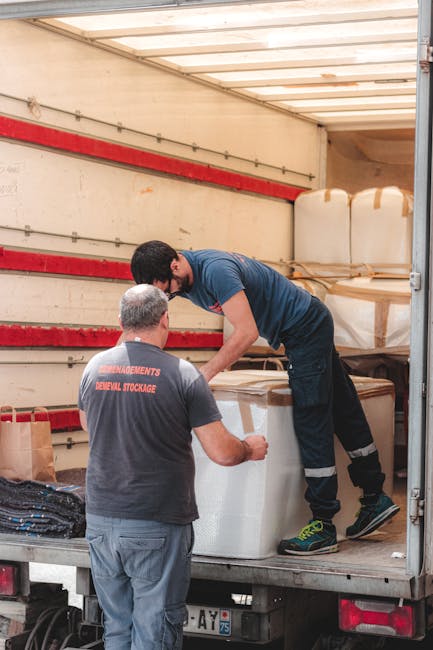
Moving truck arrangements matter in a commercial move because the vehicle needs to suit the amount and type of goods being carried. A business relocation may need a larger load space for desks and storage units, while a smaller delivery-style move may suit boxed equipment and lighter items. Choosing the right transport helps limit unnecessary trips and keeps the schedule more manageable.
Some jobs call for more than a straightforward load-and-go approach. The load may need to be divided by department, kept separate from fragile items or arranged so larger furniture sits securely against the sides. A well-specified vehicle makes it easier to plan the loading order and maintain safer handling during transit. This is one of the reasons why commercial moves benefit from a more considered transport setup than ad hoc van hire.
If your move includes furniture and boxed stock together, the loading pattern should reflect that mix rather than treating everything the same. Heavy pieces can be placed in a stable position while smaller goods are grouped so they do not shift around. Useful transport planning is not dramatic, but it is often what keeps a business move orderly from start to finish.
Furniture removal for desks, storage and fittings

Furniture pick-up is relevant to commercial moves when offices, retail spaces or workrooms need selected items taken away as part of the relocation. That may include surplus desks, worn chairs, shelving, cabinets or display furniture no longer needed in the new location. Removing unwanted pieces at the same time as the move can simplify the layout of the destination and reduce what has to be handled twice.
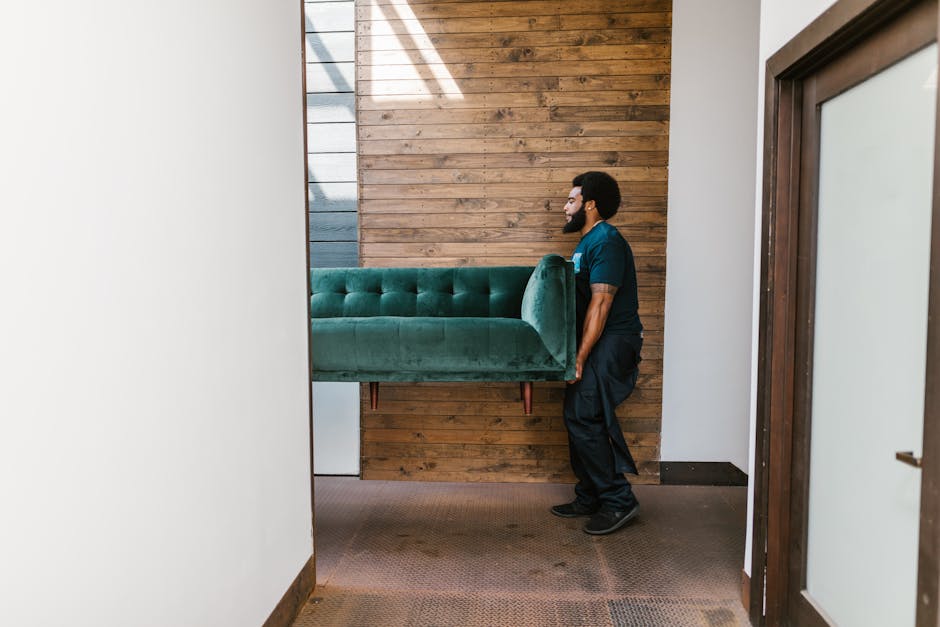
Furniture work in a commercial setting is often about the balance between speed and care. A desk may be simple enough to move intact, while a larger cabinet may need partial dismantling for safer carrying. Storage units, conference tables and display fittings can all create different handling requirements. By matching the method to the item, the move becomes more controlled and less likely to cause damage to floors, walls or the furniture itself.
For businesses that are refreshing premises rather than relocating everything, selective pick-up can be useful on its own or combined with a fuller move. That gives you a practical way to remove bulky items while keeping other equipment in place. Use the quotation request if you want the collection and moving work combined into one plan so the scope can be considered together.
Commercial move planning around access, timing and sequence
Good commercial moving work depends on sequence as much as strength. The most efficient job is usually the one where the order has been thought through before any lifting begins. Offices and business premises often contain mixed items, so the move needs a sensible path from departure to arrival. That means deciding what goes first, what should be grouped together and what should wait until later in the load.
There are a few straightforward things that help with planning. If the premises have shared entrances, timed access or tight parking, those details should be clear before the move begins. It also helps to know whether furniture has to be dismantled, whether fragile equipment needs separate handling and whether particular rooms must be emptied before others. One well-organised list is usually more useful than a long general description, because it helps turn instructions into workable steps.
The quotation stage is the best time to outline the mix of items and any limitations on access. You do not need to over-explain every object, but you should mention anything unusually heavy, awkward or sensitive. That gives a better basis for planning the move and avoids surprises on the day. Clarity at the start tends to save time later.
About Barnes
Barnes is a district in the London Borough of Richmond upon Thames, on a prominent meander of the River Thames in southwest London. Its identity is closely linked to the water and the open spaces around it, especially Barnes Common and the wetland landscape at the London Wetland Centre, which sits near the river’s edge. The area retains a village-like street pattern in parts, with a mix of period houses, independent shops and local services arranged around Barnes High Street and nearby thoroughfares. That older core reflects long-settled development rather than a uniform modern grid, and it gives the district a distinct character within the larger borough.
The history of Barnes includes centuries of riverside life, with the Thames shaping transport, trade and leisure. The area is also known for its architecture, from older domestic buildings to later residential development that followed London’s westward expansion. St Mary’s Barnes, with its churchyard and riverside setting nearby, is one of the better-known landmarks in the district. Cultural life has also played a part in Barnes’s identity, not least through the Olympic Studios legacy and the local arts and community activities associated with the area. Green spaces remain central to how Barnes is experienced today, with the common, the river, reed beds and quieter residential streets all contributing to a place that feels distinct from surrounding inner-London districts.
Removal truck hire for flexible commercial transport

Removal truck hire can suit commercial moves that need transport capacity without turning every item into a separate trip. For a business with furniture, stock and equipment to relocate, the right vehicle size can make the process more efficient and reduce the strain of repeated loading. The key is to match the truck to the move rather than assuming a standard vehicle will fit every situation.
This service is useful where the work has to be adapted to a particular load profile. A truck for commercial relocation may need to handle bulky office furniture, packaged stock, archive boxes or a mixture of all three. The aim is to keep the load stable and manageable while maintaining enough space for sensible stacking. If certain items need to stay upright or separate, the vehicle choice should support that rather than forcing the load into an unsuitable arrangement.
Where businesses are moving in stages, truck hire can also be part of a phased plan. That might mean shifting one department first, clearing surplus furniture afterwards or moving selected items between premises on different dates. The main advantage is flexibility, because the transport can be matched to the rhythm of the move instead of dictating it.
Useful service combinations for a smoother relocation
Commercial moves often work best when a few related services are combined sensibly. A business might need packing support before transport, furniture pick-up for surplus items and office relocation help for the main relocation itself. Keeping those tasks aligned means fewer separate arrangements and a clearer route from the old premises to the new one. It also helps the move feel like one process rather than a series of disconnected jobs.
House removalists are not the focus of this page, but the broader moving experience can still be helpful to understand when comparing service styles. Commercial work usually demands more attention to access, item grouping and workplace layout, while domestic removals tend to centre on household contents. The point for business customers is to choose a service that is prepared for the structure of a workplace move rather than treating it as a simple furniture transfer.
If you are weighing up which parts of the move to hand over, it may help to think in terms of tasks: packing, carrying, transport, unloading and final placement. You do not need every element to be handled in the same way, but you do need a clear division of responsibility. That clarity makes quotations easier to compare and helps avoid confusion on the day.
Final arrangements and requesting a quotation

Commercial moves in Barnes are often most effective when they are treated as a coordinated relocation rather than a collection of separate lifts. Whether the work involves office furniture, boxed records, stock, fittings or selected equipment, the service is intended to keep the process tidy and manageable. A clear plan, suitable transport and the right handling method all contribute to a smoother move for the business involved.
Before you ask for a quotation, it helps to think through the main load, the start and end points, any restrictions on access and whether packing or unpacking support is required. If certain items need extra care, or if the move must happen in stages, mention that at the outset. Give the essential details once, then use the quotation process to refine the plan. That keeps the conversation focused and avoids unnecessary back-and-forth.
If you are ready to arrange your commercial relocation in Barnes, request a quotation today. You can do that through the contact page, and from there the move can be reviewed against the items, access points and transport needs involved. Contact us for a quotation.