Narrow-stair removals for Barnes Victorian homes
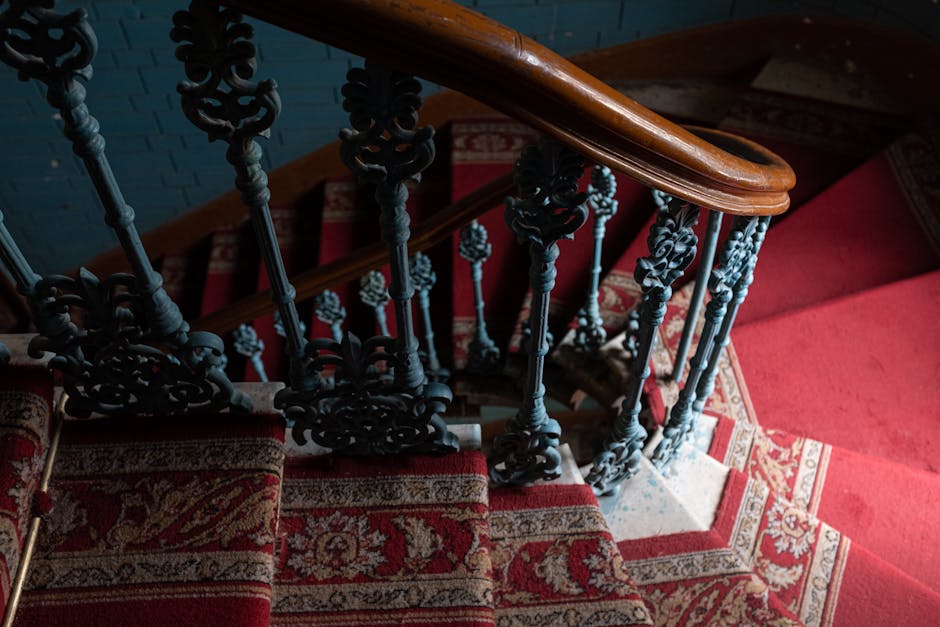
Moving a sofa, wardrobe, or bed frame through a narrow Victorian staircase in Barnes can feel like a puzzle with the clock ticking. The turns are tight, the plasterwork is old, and one wrong angle can scuff a wall you really do not want to repair. That is exactly why narrow-stair removals for Barnes Victorian homes need a careful plan, not just brute strength.
In Barnes, many Victorian properties have beautifully proportioned rooms but awkward access: steep stairs, awkward landings, boxed-in balustrades, low ceilings, and doors that open the "wrong" way for furniture day. This guide explains how narrow-stair removals work, what to expect, the best ways to avoid damage, and how to choose a method that suits your home, your furniture, and your sanity. Let's face it, nobody wants a wardrobe wedged on the half-landing at 8:15 on a Tuesday morning.
For homeowners planning a full move, a partial clearance, or just a single heavy item, the right support matters. You may also find it useful to look at home moving support, house removal help, or a flexible man and van service if your move is smaller or needs a lighter touch.
Why Narrow-stair removals for Barnes Victorian homes Matters
Victorian homes in Barnes are admired for their character, but that character often comes with constraints. Staircases are commonly narrower than modern furniture expects, and the turns can be sharper too. Add painted walls, banisters, dado rails, and the occasional squeaky tread, and you have a removal route that needs proper judgement.
The real issue is not just size. It is geometry. A chest of drawers might fit in the room perfectly yet refuse to clear the newel post by a few centimetres. A sofa might be the right width but too deep to tilt safely. Even when the measurements look close on paper, the actual movement through the stairwell can be much tighter once you factor in handholds, wrapping, and the angle of the item.
This matters for three reasons:
- Protection - older plaster, timber, and decorative details can mark easily.
- Safety - carrying bulky items on steep stairs increases the risk of slips and strained backs.
- Timing - a difficult carry can slow down the entire move, which is a nuisance when parking, access, or lift time is limited.
There is also a local reality to consider. Barnes roads can be busy, parking can be awkward, and many homes sit close to neighbours. A removal that starts well but gets bogged down on the stairs quickly becomes stressful for everyone involved. Good planning is what keeps the day calm, or at least calmer.
Table of Contents
- Why Narrow-stair removals for Barnes Victorian homes Matters
- How Narrow-stair removals for Barnes Victorian homes Works
- Key Benefits and Practical Advantages
- Who This Is For and When It Makes Sense
- Step-by-Step Guidance
- Expert Tips for Better Results
- Common Mistakes to Avoid
- Tools, Resources and Recommendations
- Law, Compliance, Standards, or Best Practice
- Options, Methods, or Comparison Table
- Case Study or Real-World Example
- Practical Checklist
- Conclusion
- Frequently Asked Questions
How Narrow-stair removals for Barnes Victorian homes Works
In practice, a narrow-stair removal is a controlled process of measuring, planning, protecting, and moving item by item. The goal is not to force large furniture through a difficult route. It is to make the route work for the item, or to change the item's path before anyone starts lifting.
The process usually begins with a quick assessment. A removal team will look at the staircase width, landing space, ceiling height, door swing, banister position, and the size of each item. If needed, they may suggest partial dismantling, a different carry angle, or a different exit route entirely. Sometimes the simplest answer is the best one: remove a bed frame in pieces rather than testing everyone's patience on the stairs.
Good teams also consider the order of movement. Heavy items should not be blocked by lighter ones, and fragile pieces should not be left until the end if the stairwell becomes cluttered with wrapping. In a tight Victorian terrace or semi-detached home, one misplaced box can make the whole staircase feel smaller. Funny how that works.
If the job involves a full house move, a larger vehicle and coordinated loading can also help. You might compare options like a dedicated moving truck, a broader removal truck hire, or, for business moves with tricky access, commercial moving support. The right fit depends on the volume, the access, and how much packing is already done.
Key Benefits and Practical Advantages
The biggest benefit is simple: fewer surprises. Narrow staircases are rarely the place for improvisation. When the plan is thought through in advance, the move feels smoother, walls stay cleaner, and heavy lifting becomes more manageable.
Here are the main advantages people usually notice:
- Less damage risk - padding, careful angling, and route planning reduce bumps and scrapes.
- Better handling of awkward furniture - items can be rotated, stripped down, or carried in safer sections.
- Less strain on people - a sensible carry method is far easier on backs, shoulders, and wrists.
- More efficient moving day - fewer failed attempts means less waiting around on stairs.
- Better use of the home's layout - Victorian stair turns and landings can be planned around rather than fought against.
Another practical advantage is confidence. People tend to breathe easier when they know a piece of furniture has been measured, assessed, and planned properly. You can hear it in the room too; the whole place feels less tense. That sounds small, but on moving day it really is not.
For some households, this approach also reduces the need to replace or repair items after the move. A damaged mirror frame, a chipped stair edge, or a bent table leg can cost more than the care taken to avoid the problem in the first place.
Who This Is For and When It Makes Sense
Narrow-stair removals for Barnes Victorian homes are especially useful if your property has one or more of these features: a steep staircase, a tight turn at the top or bottom, a narrow landing, low ceiling clearance, or older internal doors that restrict movement. If you have ever looked at a mattress and thought, "That is not going anywhere," you are probably in the right territory.
This kind of service makes sense for:
- Victorian terraces and period conversions with compact stairs
- Families moving large furniture into or out of upper floors
- People clearing a home after a sale, tenancy change, or refurbishment
- Residents moving bulky items such as wardrobes, sofas, beds, or pianos
- Landlords or agents needing a careful stair-safe clearance
It can also be a smart choice when the furniture is valuable, sentimental, or just awkward. A dining table inherited from a relative may not be the most expensive thing in the room, but it is often the one people care about most. You do not want that piece being "sort of wedged" in a hallway by someone who is trying their luck.
If the job is more about removing single items or smaller loads, a lighter service such as furniture pick-up or a smaller vehicle option like man with van support may be enough. The key is matching the method to the home rather than assuming one size fits all.
Step-by-Step Guidance
Here is the practical version, stripped of fluff. If you follow these steps, you give yourself a much better chance of a smooth move.
- Measure the furniture carefully. Width, height, depth, diagonal, and if relevant, detachable parts. A tape measure is boring, yes, but very useful.
- Measure the stair route. Include stair width, landing width, ceiling height, and any points where the item must turn.
- Check what can be dismantled. Beds, tables, and wardrobes often move better in sections than assembled.
- Protect the route. Floor coverings, corner protectors, and padding help prevent accidental scuffs.
- Decide the carry order. Move the biggest and most awkward items while the staircase is clear and the team is fresh.
- Use the right equipment. Straps, blankets, sliders, and trolleys should match the item, not just the available kit.
- Load with balance in mind. The stair challenge does not end at the front door; the vehicle load matters too.
If you are preparing a whole property, packing discipline becomes just as important as lifting technique. A move goes more smoothly when boxes are labelled clearly and fragile items are packed properly. For that side of things, packing and unpacking services can save a surprising amount of time and stress.
A good rule of thumb: if a piece feels borderline on the stairs, do not "see how it goes" without a plan B. Decide in advance whether it will be dismantled, wrapped differently, carried by a different route, or loaded through another exit. That little decision can save a lot of drama.
Expert Tips for Better Results
There are a few things experienced movers tend to do almost automatically, and homeowners can borrow the same thinking.
1. Check the awkward points first
Do not just measure the straight staircase width. Look closely at the turning point, the top landing, the bottom step, and any radiator, handrail, or wall light that steals precious space. In many Barnes Victorian homes, the problem is one hidden corner, not the staircase itself.
2. Think in diagonals
Some furniture looks too large if you only measure it upright. Tilted on a diagonal, it may pass safely. That said, diagonal carrying must be done carefully and with enough headroom. If there is a low ceiling or a sharp landing turn, don't force it. That is usually where damage happens.
3. Keep the route as clear as possible
Small objects become surprisingly dangerous when stairs are narrow. Shoes, toys, loose packaging, even a single coat left on a bannister can cause a delay or a stumble. Clear the route before anyone starts carrying. It sounds obvious. People still forget.
4. Protect more than just the furniture
Walls, skirting boards, banisters, and front steps all need protection. A lot of people focus on wrapping the item and forget the staircase. On a Victorian property, the stair finish can be delicate and unforgiving of knocks.
5. Ask for the right vehicle size
If the access is tight but the load is not huge, a smaller vehicle can be easier to manage than a large lorry. If you are not sure, it can help to discuss a flexible local option such as man and van support or, for more substantial jobs, a larger transport option like moving truck.
Common Mistakes to Avoid
The most common mistake is assuming that if something fits through a normal doorway, it will fit through a narrow staircase. Not quite. Stair movement is a different problem entirely because the item must be rotated, lifted, and kept stable while climbing or descending.
Other mistakes come up again and again:
- Skipping measurements - guessing is how people end up taking a sofa back downstairs.
- Ignoring door swing - a door that opens inward can block the carry route at the worst moment.
- Forgetting about weight distribution - one end of a heavy item may be far harder to manage than the total weight suggests.
- Trying to rush - tight stairs punish speed. Slow, steady movement wins here.
- Using too few hands - what looks manageable becomes dangerous when the grip is poor.
- Leaving packing until the end - loose contents make furniture less stable and boxes harder to stack in the vehicle.
There is also a small but important human mistake: not speaking up when the route feels wrong. If someone on the team says the angle is off or the carry feels unsafe, pause. Re-think. No prize is awarded for forcing the impossible. Truth be told, that is the bit that saves the day.
Tools, Resources and Recommendations
For narrow stair moves, the right tools are less about gadgetry and more about control. The basics do most of the work.
| Tool or Resource | What it helps with | Why it matters in Victorian homes |
|---|---|---|
| Measuring tape | Checking furniture and stair dimensions | Period staircases often have odd widths or tighter turns than expected |
| Furniture blankets | Protecting wood, paint, and upholstery | Older walls and bannisters mark more easily |
| Corner guards | Reducing wall and skirting damage | Useful where the stairwell bends sharply |
| Straps and lifting aids | Improving grip and balance | Helps with heavy items on steep steps |
| Sliders and trolleys | Moving items across floors before the stair carry | Useful for rooms with polished floors or awkward hallways |
| Packing materials | Keeping contents stable and protected | Less shifting means fewer awkward loads on the stairs |
As a practical recommendation, choose a service that can adapt. Not every move needs the same truck, and not every item needs the same handling. If you are unsure about the scale of the job, a smaller removal truck hire option may make more sense than overcommitting to a larger setup. Sometimes the right answer is the one that fits the house, not the brochure.
For people moving within a busy household, it can also help to schedule the stair carry earlier in the day when everyone is less tired. By late afternoon, narrow stairs feel narrower. That is probably psychology, but it sure feels real.
Law, Compliance, Standards, or Best Practice
For a domestic move, there is usually no special legal rule that governs narrow-stair removals as a separate category. What matters more is safe working practice, sensible risk assessment, and care for the property. In the UK, removal work should generally be carried out with attention to manual handling safety, access safety, and damage prevention, especially where stairs are steep or confined.
In plain English, best practice means this:
- Do not carry an item in a way that creates unnecessary risk to people or property.
- Use suitable lifting methods and do not overload individuals.
- Keep escape routes clear and avoid blocking stair access.
- Protect walls, floors, doors, and fixed features where there is a realistic risk of contact.
- Be honest about what can and cannot be moved safely through the staircase.
If a property is rented, managed, or part of an estate, it can also be sensible to check building rules or access arrangements before moving day. That is especially true in shared entrances or properties with neighbours nearby. A short message beforehand can prevent an awkward conversation on the landing later.
For commercial premises or mixed-use buildings, the planning often needs to be even tighter. In those cases, office relocation services or experienced house removalists can help structure the move around the building rather than just the furniture.
Options, Methods, or Comparison Table
There is rarely just one way to handle a narrow stair move. The right option depends on the item, the route, and how much time you have. Here is a simple comparison to help you think it through.
| Method | Best for | Pros | Watch-outs |
|---|---|---|---|
| Carry as-is | Smaller furniture or items with clear stair clearance | Fast, simple, less dismantling | Can be risky if measurements are close |
| Partial dismantling | Beds, tables, wardrobes, shelving | Often safer and easier on tight turns | Needs time, tools, and careful reassembly |
| Professional removal crew | Large homes or valuable items | More control, better handling, less strain | Costs more than a DIY attempt |
| Smaller van-led move | Single-room moves or a few bulky pieces | Flexible and often efficient for short jobs | May require multiple trips for larger loads |
| Full vehicle-led move | Whole-house moves with many items | Good for planning and load organisation | Needs careful parking and access management |
If your move is mostly one or two large pieces, a small-load solution may be enough. If you are moving a whole property with awkward access, the better choice is usually the one that reduces repeated lifting. Repetition is what wears people out.
Case Study or Real-World Example
Imagine a typical Barnes Victorian home: two bedrooms upstairs, a narrow hallway, and a staircase that turns sharply at the halfway point. The homeowners need to move a double bed frame, a tall wardrobe, and a sofa. At first glance, it looks straightforward. Then the wardrobe reaches the landing and everyone realises the top rail is just a touch too proud of the turn.
Instead of forcing it, the team pauses. The wardrobe doors are removed, shelves are taken out, and the frame is carried in a better orientation. The sofa is wrapped to protect the corners, then moved with one person guiding at the top and another stabilising from below. Nothing dramatic. No wall damage, no groans, no improvised wobbling through the banister gap.
That is the real value of narrow-stair planning: not magic, not luck, just careful adjustment at the point where the route becomes difficult. The move still takes effort, of course. But effort with a plan feels completely different from effort with crossed fingers.
In some cases, the team may advise a different approach altogether, especially if the item is oversized or the staircase is simply too restrictive. If that happens, an alternative transport plan, storage, or a later collection can be a better outcome than forcing a compromise on the spot.
Practical Checklist
Use this checklist before moving day. It saves time, and it saves the "we should have checked that" moment halfway through the stairs.
- Measure every large item in at least two directions.
- Measure the staircase width, landings, and low points.
- Check whether furniture can be dismantled safely.
- Clear the hallway, stairway, and adjacent rooms.
- Protect walls, corners, and bannisters.
- Confirm the parking and access plan for the vehicle.
- Label fragile or awkward items clearly.
- Keep a route alternative in mind if the main route fails.
- Have tools ready before lifting begins.
- Set aside extra time for narrow turns and careful handling.
Expert summary: narrow-stair removals in Barnes Victorian homes work best when the team measures properly, dismantles only where sensible, protects the property, and keeps the pace steady. The aim is not just getting furniture out. It is getting it out cleanly, safely, and without turning a period staircase into a damage report.
If you are planning a move that involves multiple rooms or a full property clear-out, a carefully coordinated approach can make all the difference. For larger domestic projects, it may be worth reviewing home moving support alongside the packing and vehicle options available to you.
Conclusion
Narrow-stair removals for Barnes Victorian homes are all about respect: respect for the building, respect for the furniture, and respect for the people doing the lifting. The homes themselves are full of charm, but that charm often comes with tight staircases and delicate finishes that reward patience rather than force.
When you measure carefully, choose the right method, and prepare the route properly, the move becomes much more manageable. That is true whether you are shifting a single awkward wardrobe or coordinating a full household move. The difference is often in the details, and in moving, details matter a lot.
So if your Barnes home has a staircase that makes you pause and look twice, that is not a bad sign. It is just a sign to plan properly. A calm move is possible, even in a Victorian house with a stubborn landing turn and a bit of history in the walls.
Get a free quote today and see how much you can save.
Sometimes the smoothest move is the one that starts with a thoughtful pause, a measuring tape, and a bit of local know-how.
Frequently Asked Questions
Can furniture usually be moved up or down a narrow Victorian staircase?
Often yes, but it depends on the item size, stair width, landing space, and whether the furniture can be dismantled. What looks impossible at first can sometimes work with the right angle and preparation.
What is the biggest challenge with Barnes Victorian homes?
The biggest challenge is usually the combination of narrow stairs, tight turns, and older interior features like banisters or low ceilings. One tight corner is often enough to change the whole moving plan.
Should I dismantle furniture before the move?
If the item is large or awkward, dismantling is usually worth considering. Beds, wardrobes, and some tables are often easier to move in pieces than intact. Just make sure the parts can be reassembled properly later.
How do I know if my sofa will fit on the stairs?
Measure the sofa at its widest and deepest points, then compare that with the stair width and turning space. The diagonal carry angle matters too. If the measurements are close, it is wise to get a professional assessment before moving day.
Is it safer to carry heavy items by hand on narrow stairs?
Sometimes, but only if the item is manageable and the team is confident. For heavy or bulky pieces, using proper lifting methods, straps, and enough people is usually safer than trying to be heroic about it.
What should I protect first in a narrow stair move?
Protect the walls, skirting, bannisters, and any awkward corners first. Furniture can be wrapped, but older stair features are often the parts that suffer most from a rushed carry.
Can a removal truck make narrow-stair moves easier?
Yes, indirectly. A well-planned vehicle helps organise the load, reduce repeated trips, and keep larger items moving in the right order. The staircase is still the main challenge, but good transport planning helps a lot.
How much extra time should I allow for narrow stairs?
It varies widely, but tight staircases almost always need more time than a modern straight run. Allowing a sensible buffer is better than building the day around best-case timing. Moving always seems to take longer than expected anyway.
What if the furniture does not fit on the day?
If an item does not fit safely, stop and reassess. Common alternatives include dismantling the item, changing the route, using a different carry angle, or arranging separate transport. Forcing it is rarely the right answer.
Do I need professional help for a small move?
Not always. If you only have a few items and access is straightforward, a smaller service may be enough. But if the stairs are especially narrow or the item is valuable, professional help can save time and reduce risk.
Are there special rules for moving in London homes?
There are usually no special rules just for narrow stairs, but safe handling, access planning, and local property considerations matter. If the building has restrictions, shared entrances, or parking limitations, it is sensible to check those in advance.
What is the best way to prepare for moving day in a Victorian house?
Measure everything, clear the route, protect the staircase, pack carefully, and decide in advance how each awkward item will be handled. The best preparation is boring in the moment and brilliant on the day.