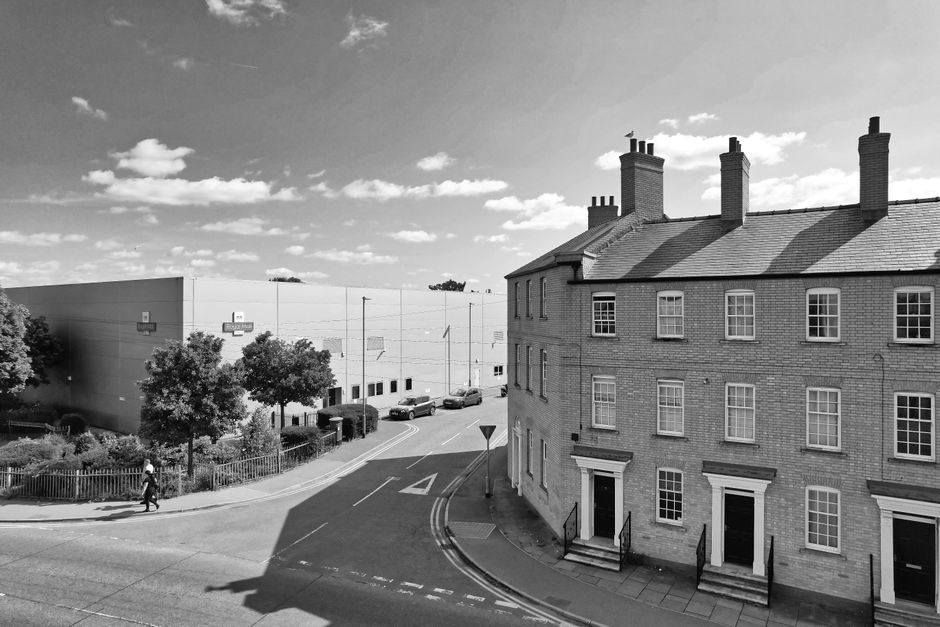
Castelnau SW13 Removals Parking and Access Guide
Moving in Castelnau can feel straightforward on paper, then suddenly a van is half-blocking the road, the lift is too small, and everyone is asking where the parking space went. This Castelnau SW13 removals parking and access guide is here to make the day calmer and far more predictable. Whether you are moving a flat near the river, a family house with a narrow frontage, or a small office that needs a tidy handover, good access planning saves time, stress, and those awkward last-minute decisions nobody enjoys.
In practice, the difference between a smooth move and a frustrating one is often simple: knowing where the vehicle can stop, how much space the crew will need, and what obstacles are likely to appear before the first box is lifted. You do not need to become a traffic planner. You just need a clear plan, a few local checks, and the right support if the job is bigger than a quick van drop-off.
Below, you will find a practical, human guide to parking, loading, access routes, common pinch points, and what to prepare before moving day. If you are comparing support options, you may also find it useful to look at home moving services, house removalists, or a flexible man and van option depending on the size of the move.
Table of Contents
- Why Castelnau SW13 removals parking and access guide Matters
- How Castelnau SW13 removals parking and access guide Works
- Key Benefits and Practical Advantages
- Who This Is For and When It Makes Sense
- Step-by-Step Guidance
- Expert Tips for Better Results
- Common Mistakes to Avoid
- Tools, Resources and Recommendations
- Law, Compliance, Standards, or Best Practice
- Options, Methods, or Comparison Table
- Case Study or Real-World Example
- Practical Checklist
- Conclusion
- Frequently Asked Questions
Why Castelnau SW13 removals parking and access guide Matters
Parking and access affect almost every part of a move. If the vehicle cannot stop close enough, your crew may need extra trips. If the street is tight, a large truck may not be the best fit. If there are steps, shared hallways, or awkward turning points, the job slows down fast. And yes, that extra time usually shows up somewhere in the overall cost or the length of the day.
Castelnau has a mix of residential streets, side roads, larger homes, and properties where access can be perfectly fine for everyday life but a little awkward for removals. That is normal in London. A family can live happily in a house for years and still discover, on moving day, that the easiest place to unload is not the same place the parking signs make you assume it is. Funny how that works.
This matters because a removals team needs to plan for the vehicle size, the distance from kerb to door, and the safest place to stage items. A sofa carried 80 metres is not just slower; it is more tiring, more exposed to knocks, and more likely to block someone else's route. Good access planning protects your belongings and helps the crew work efficiently.
If you are moving a business, the stakes can be even higher. Time windows matter, neighbours matter, and you may need a more structured handover. In those cases, services such as commercial moves or office relocation services may be a better fit than a purely domestic arrangement.
Expert summary: In removals, parking is not a side issue. It is part of the move itself. The closer, clearer, and safer the access, the smoother the day usually goes.
How Castelnau SW13 removals parking and access guide Works
The practical idea is simple: map the move before the van arrives. That means understanding the street outside, the route from vehicle to property, and any points where a removals team may need to slow down, pause, or use extra care. It is a bit of planning that pays for itself quickly.
For a typical Castelnau move, the workflow often looks like this:
- Check the property frontage and nearby parking options.
- Estimate the size of vehicle needed for the load.
- Confirm whether the street allows practical loading close to the entrance.
- Identify any access issues such as tight stairwells, narrow doors, low branches, or shared gates.
- Prepare the property so boxes, furniture, and fragile items can move in a clean sequence.
- Keep a backup plan for the day, just in case the preferred spot is unavailable.
That sounds obvious, but it is easy to miss one detail. For example, a property might have a broad entrance hall yet a very tight turn from hallway to stairs. Or the driveway may be usable, but there may be nowhere to leave the vehicle once unloading starts. Small things, big ripple effect.
A useful approach is to think in layers: first the street, then the parking position, then the walking route, then the interior route. If any one of those layers is awkward, the whole move slows down.
For smaller domestic jobs, a man with van or moving truck may be enough. For a fuller household move, a larger support package may be more suitable, especially if access is tricky and you want the loading handled properly from start to finish.
Key Benefits and Practical Advantages
When parking and access are planned well, the benefits are immediate. You reduce delays, protect your items, and make the day feel less chaotic. Not glamorous, perhaps, but very real.
- Less waiting time: crews spend more time moving boxes and less time searching for a usable stop.
- Lower handling risk: shorter carry distances usually mean fewer bumps, scrapes, and accidental drops.
- Cleaner scheduling: if the access route is clear, timing is easier to predict.
- Better vehicle choice: the right van or truck avoids overloading the street or underestimating capacity.
- Less stress for everyone: neighbours, building managers, and the moving team all benefit from a plan that makes sense.
There is also a subtle but important benefit: confidence. When you know the plan, you make better decisions on the day. You will notice it in the tone of the move. People are calmer. Instructions are clearer. Boxes go where they should. No one is standing in the middle of the pavement asking, "So... which door are we using?"
If you are already thinking about packing support, a service like packing and unpacking services can make access planning even easier because properly labelled items are faster to stage and carry.
Who This Is For and When It Makes Sense
This guide is for anyone moving in or out of Castelnau who wants fewer surprises. That includes homeowners, tenants, landlords coordinating a handover, and businesses relocating equipment or stock. If there is a van involved, access matters. If there are heavy items involved, access matters even more.
It makes the most sense when:
- the road outside is narrow or busy;
- parking is limited or controlled;
- the property has stairs, a long hallway, or shared access;
- you are moving large furniture, fragile pieces, or multiple rooms of belongings;
- you want the move done within a tight time window;
- you are arranging a move for someone else and need to reduce friction.
It is also useful if you are deciding between a simple pickup and a fuller service. For example, if you only need one or two items collected, furniture pick up might be enough. If you are moving an entire home, the planning is naturally more detailed.
Let's face it, not every move deserves the same level of vehicle or crew. A sofa collection is not the same as a four-bedroom family move. That distinction saves people money and time when it is made early.
Step-by-Step Guidance
Here is a practical way to prepare access and parking for a Castelnau move without overcomplicating it.
1. Walk the route before moving day
Stand outside the property and look at the approach as if you were carrying a wardrobe, not just walking lightly to the door. Is there enough room to unload safely? Are there tight bends, steps, bins, bollards, or a low wall that could get in the way?
2. Decide where the vehicle should stop
The best place is usually the nearest safe legal stopping point that keeps the carry distance short. That may be directly outside, but not always. If the road is busy, a spot slightly further away but safer for loading can be the better call.
3. Match the vehicle to the access
A bigger truck is not always better if the street is tight. Sometimes a smaller vehicle with a smart shuttle arrangement is more practical. Other times, a larger truck reduces the number of trips and actually makes the move easier. It depends on the property and the load. A good removals plan should reflect that.
4. Protect the interior route
Clear hallways, move loose rugs, and keep doors propped open where appropriate. If the building has communal areas, be respectful and keep them usable. A couple of minutes spent on prep can save a lot of friction later.
5. Plan the timing
Try to avoid peak congestion where possible. Early morning is often calmer for loading, though every street has its own rhythm. Some days are quiet; some are not. You know the type. A delivery van turns up, someone is reversing, and suddenly the whole road is waiting.
6. Keep essentials separate
Access planning is easier when the first items off the vehicle are the ones you need first. Keep keys, documents, chargers, kettle items, and a basic tool kit separate from the main load. You do not want to be searching for a screwdriver while someone is holding a dismantled bed frame in the hallway.
Expert Tips for Better Results
A few small choices can make a surprisingly big difference. We see it all the time: the move that feels effortless is usually the one where someone did a bit of quiet preparation beforehand.
- Take photos of access points. Doorways, stairs, parking positions, and any tight corners are worth documenting. Photos help everyone judge the route accurately.
- Measure the awkward bits. If a sofa or bed frame barely fits through a door, measure before moving day, not on it.
- Label by room and priority. "Kitchen first" or "bedroom boxes only" sounds basic, but it speeds up unloading.
- Ask about vehicle options early. If access is limited, a removal truck hire arrangement may be more practical than improvising on the day.
- Keep neighbours in mind. A quick heads-up can prevent a grumpy morning. Not always necessary, but often appreciated.
One small real-world observation: the most time-consuming part of a move is often not the lifting itself. It is the pause before the lifting, when everyone is figuring out where to put the vehicle, how to turn the sofa, and whether the box stack can be left safely by the gate. Reduce those pauses and the whole day feels more settled.
To be fair, you do not need perfection. You just need fewer unknowns.
Common Mistakes to Avoid
Most access problems are avoidable. The trouble is they tend to be obvious only after they have already become inconvenient. Here are the mistakes that crop up most often.
- Assuming parking will "just work". Street parking in London can change quickly, and a space that looks available may not be usable for loading.
- Booking the wrong vehicle size. Too large can be awkward; too small can create extra trips.
- Ignoring internal access. A wide street does not help much if the lift is tiny or the stairwell is tight.
- Forgetting to clear obstructions. Bins, bikes, plant pots, and stacked deliveries can all slow the route down.
- Not checking lift or hallway restrictions. In shared buildings, these small details can make a big difference.
- Leaving fragile items mixed in with general load. The best access plan still needs good packing discipline.
Another common issue is leaving everything until the last hour. That usually creates the classic moving-day scene: half-packed boxes, a late start, and someone saying, "It'll be fine." Sometimes it is. Often, not quite.
Tools, Resources and Recommendations
You do not need fancy equipment to plan access properly, but a few simple tools make life easier.
| Tool or resource | What it helps with | Why it is useful |
|---|---|---|
| Measuring tape | Doorways, furniture dimensions, stair widths | Helps prevent nasty surprises with large items |
| Phone camera | Photos of parking, entrances, stairs, and access routes | Makes it easier to brief the removals team |
| Moving labels | Room-by-room sorting | Speeds up unloading and reduces confusion |
| Protective covers and blankets | Furniture protection on narrow routes | Useful where there are corners, steps, or shared entrances |
| Inventory list | Tracking items during load and unload | Helpful for larger homes and business moves |
If you are uncertain about the scale of the move, start by comparing service types. man and van support is often suitable for smaller or more flexible jobs, while home moves and house removalists make more sense when the job is fuller and the access needs more planning.
If you want a bit more background on the business and how they work, it is also sensible to review about us. And if you are ready to discuss your move in detail, use contact us for the most direct next step.
Law, Compliance, Standards, or Best Practice
For removals in London, the key compliance issue is usually not a single dramatic rule. It is the combination of everyday responsibilities: parking safely, avoiding obstruction, respecting building rules, and handling goods with care. That means checking local parking restrictions, loading permissions, building access requirements, and any time limits that apply to your property or street.
If your move involves a communal building, you may need to follow its own procedures for lifts, parking bays, and booking slots. Some buildings are relaxed. Others are, frankly, a bit particular. Best to know before the van is outside.
From a good-practice standpoint, the following points matter most:
- do not block emergency access;
- keep pavements and entrances as clear as possible;
- handle fragile and heavy items with suitable care;
- use the right vehicle for the route and load;
- communicate any access risks early;
- follow any building, landlord, or management instructions that apply to the move.
For business relocations, a little extra formality often helps. That might mean confirming access windows, lift reservations, or unloading order in writing. Nothing complicated. Just clear, sensible coordination.
Options, Methods, or Comparison Table
Choosing the right approach depends on the property, the amount of furniture, and how tricky the street access is. Here is a practical comparison.
| Option | Best for | Access considerations | Typical advantage |
|---|---|---|---|
| Man and van | Small moves, single-room moves, light furniture | Good where parking is limited and quick loading is possible | Flexible and simple |
| Moving truck | Larger loads or fuller homes | Needs more room for stopping and manoeuvring | More capacity in fewer trips |
| Removal truck hire | Moves that need a dedicated vehicle plan | Useful when route and load have been mapped in advance | Better control over logistics |
| Full home move | Complete household relocation | Best when parking, packing, and room sequencing all matter | Most comprehensive support |
If you are moving bulky items only, the simplest route may be a focused pickup. If you are moving the whole property, a more structured service is usually worth it. For a few items, the move can be quick; for a full household, access planning becomes central.
Case Study or Real-World Example
Consider a typical Castelnau move from a first-floor flat with a shared entrance and limited on-street space. The residents have a sofa, a bed, several boxes of books, and a couple of awkwardly shaped dining chairs. The street is workable, but only if the vehicle can stop close enough for a short, safe carry.
In that situation, the most useful preparation is not fancy. It is careful. The movers check the loading position ahead of time, the resident clears the hallway, and the boxes are grouped by room so they can go straight to the right place. The team also makes sure the widest items are handled first while the route is still clear. That way, the move starts with the toughest items, not the easiest.
The result is usually a calmer day. Less back-and-forth. Fewer "where should this go?" questions. And no one ends up dragging a wardrobe around a corner that was clearly too tight from the start. We have all seen that kind of thing, and it is never fun.
That same logic applies to business moves too. If equipment needs to be loaded from an office or commercial unit, planning the parking position and lift access in advance avoids wasted time and protects both the equipment and the building.
Practical Checklist
Use this checklist a day or two before moving.
- Confirm the vehicle size that best suits the property and load.
- Identify the nearest safe place to stop for loading and unloading.
- Check for parking restrictions, time limits, or building rules.
- Measure any doors, stairwells, lifts, or tight turns that may matter.
- Clear hallways, steps, and entrances of clutter.
- Group boxes by room and label fragile items clearly.
- Set aside essentials you will need immediately on arrival.
- Share access notes with the removals team before the day starts.
- Prepare a backup stopping point in case the first one is taken.
- Keep phones charged and keys easy to reach.
Quick take: if you can answer where the vehicle will stop, how the first item will get inside, and where the largest piece will turn, you are already well ahead of the game.
Get a free quote today and see how much you can save.
Conclusion
A good Castelnau move is rarely about speed alone. It is about the small, sensible decisions that stop the day from becoming messy. Parking, vehicle choice, door widths, shared access, and timing all work together. Get those right and the rest becomes much easier.
Whether you are moving a flat, a family home, or a workplace, the same principle applies: plan the access before the boxes start moving. That one habit can save energy, protect your furniture, and make the whole day feel more manageable.
And if you are standing at the door wondering whether the street will really work out, take a breath. It usually can, once the details are properly lined up. That is the bit people often miss.
Frequently Asked Questions
What should I check first for a Castelnau SW13 move?
Start with the parking position, the walking route from the vehicle to the door, and any obvious access barriers such as steps, narrow gates, or shared entrances. Those three checks answer most of the practical questions early.
Do I need a large truck for a move in Castelnau?
Not always. A larger vehicle helps with bigger homes, but in tighter streets a smaller van may be easier to position safely. The right choice depends on the load and the access, not just the volume of items.
What if there is no parking directly outside the property?
That is common enough. The move can still work if the crew has a safe alternative stopping point nearby. The key is to plan for a slightly longer carry and make sure the route stays clear.
How do I know if my furniture will fit through the doorway?
Measure the widest item and the narrowest doorway or stair turn before the move. If something looks tight, measure it properly. A few minutes with a tape measure can save a very long afternoon.
Is a man and van service suitable for Castelnau access issues?
Often yes, especially for smaller loads or shorter moves. A flexible man with van setup can be a practical choice where parking is limited and the job does not need a full removal crew.
What should I tell the removals team before moving day?
Tell them about parking limits, stair access, lifts, fragile items, heavy furniture, and any time restrictions from your building or street. The more accurate the picture, the better the plan.
Can packing help with access and parking planning?
Yes. Good packing makes the move faster because items are easier to sort, carry, and place. If you want extra help, packing and unpacking services can reduce the number of moving-day headaches.
What is the main risk if parking is not planned properly?
The biggest risk is delay, which often leads to rushed handling, extra carrying, and more stress for everyone involved. In tighter streets, it can also make unloading less safe than it should be.
Are commercial moves handled differently from home moves?
Usually yes. Commercial moves often need tighter timing, clearer coordination, and careful access planning because workspaces, equipment, and business operations may all be affected. That is where commercial moves and office relocation services become especially relevant.
Should I arrange help for just one or two bulky items?
If the items are heavy, awkward, or valuable, yes, it can be worth it. A focused pickup service may be enough, and furniture pick up is often a sensible route for that kind of job.
What is the best way to avoid delays on moving day?
Prepare the access route, keep the first items easy to reach, and make sure the vehicle can stop safely as close as possible. Small preparation steps are boring, admittedly, but they work.
Where can I find more about the company before booking?
You can review the company background on the about us page, then use contact us if you want to discuss the move in more detail.
If you are comparing terms before you book, it is also sensible to review the terms and conditions and the privacy policy so you know how your details and booking are handled.